NEWS
|
Erasmus Maris Week 2024 -
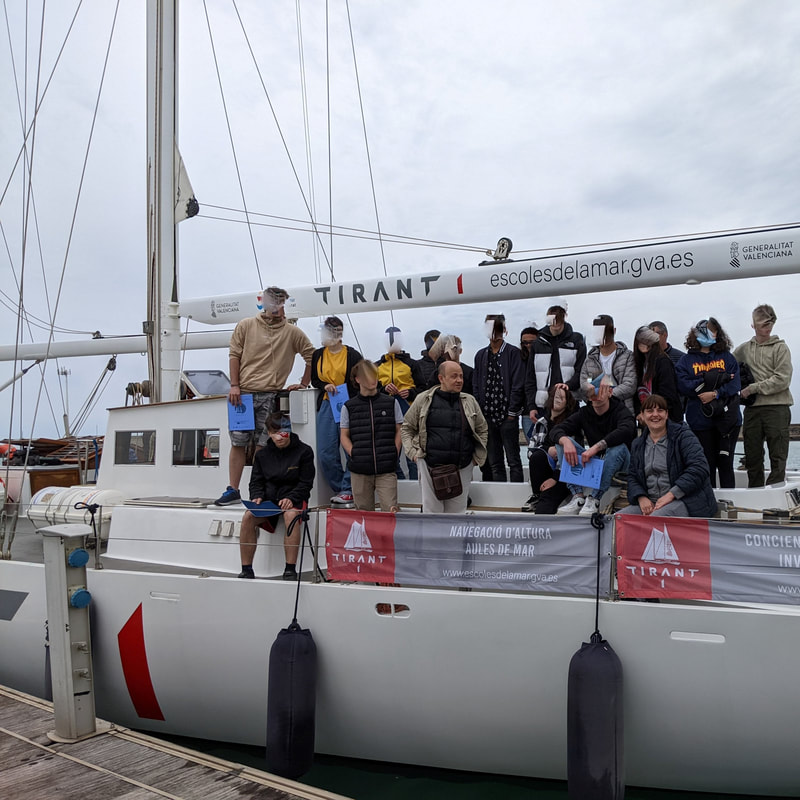
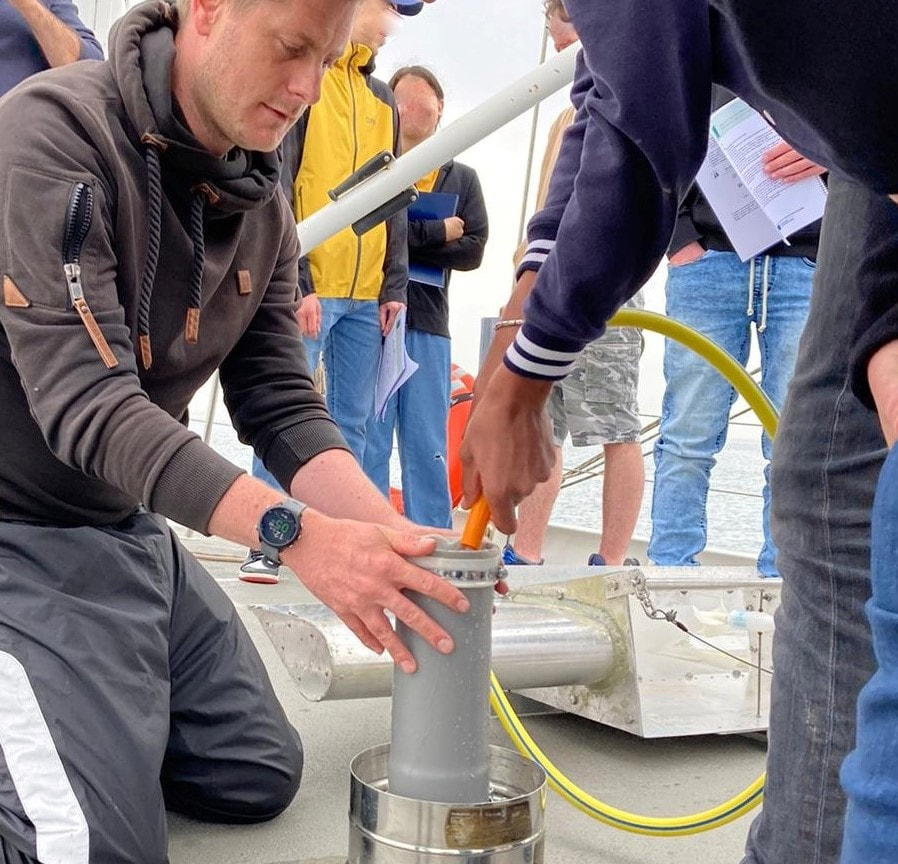
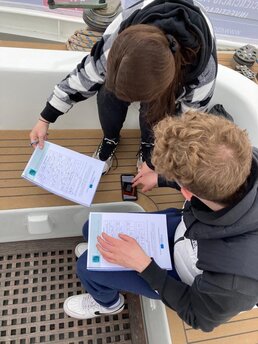
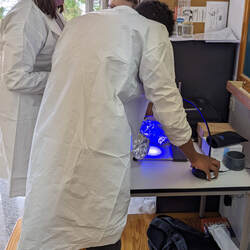
An immersive educational experience focusing on microplastics pollution. The course involves various activities such as nautical exercises for team building, sampling microplastics onboard sailboats, analysis of environmental samples, and workshops with experts. Strong emphasis on teamwork, collaboration, and hands-on learning. Click here for more.. 10 schools from 6 European countries will participate. The students are currently monitoring microplastic pollution in their nearby environment wih their science teachers.During the Erasmus Maris week they will share their experiences, insights, and challenges, creating a dynamic community of learners.
Expert scientists will attend these sessions for invaluable feedback! |
|


🌊Erasmus Maris - Where Learning and Exploration Meet Excellence. ⛵️📚🔬
Erasmus Maris? |
Erasmus Maris is a unique platform providing a holistic approach to bridge scientific research and education within the scope of marine conservation
Erasmus Maris includes a holistic approach to implement marine environmental science in secondary schools. |
Overall goal |
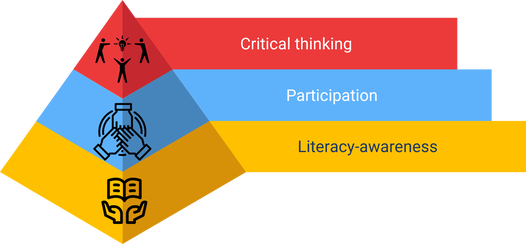
The objective is to implement marine environmental science in secondary schools by engaging them in co-creating new knowledge while addressing both educational and scientific research needs.
The concept is applicable to a diverse range of environmental themes relevant to ocean conservation. Erasmus Maris currently focuses on the pressing issue of microplastic pollution for demonstration purpose. |
The activities |
The students participating to the Erasmus Maris initiative explore the fascinating realm of marine environmental science through a dynamic blend of formal and non-formal learning.
Towards an EU-wide Microplastic Harmonised Monitoring CampaignOur goal is to launch an EU-wide microplastic monitoring in aquatic environments, an initiative that unites secondary schools across Europe to learn on microplastic pollution in partnership with the scientific community.
This initiative aim to empower secondary schools to take a leading role in monitoring microplastic pollution in their local environments (rivers, lakes, seas) Campaign Overview:
|
|
NAVIGATING KNOWLEDGE
INSPIRING CHANGE We advocate for the implementation of a new Erasmus in Europe specifically focused on the preservation of Oceans and Waters
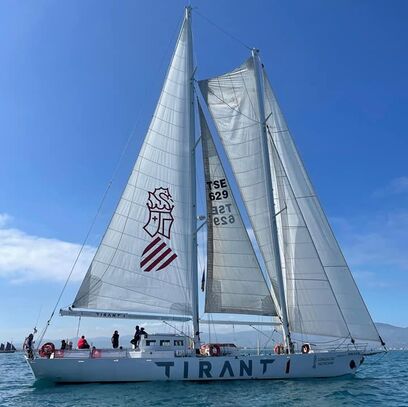
The pedagogical sailboat concept developed during our first pilot project
The sailboat has a strong power of attraction over youth because it conveys an ecological message and produces a feeling of freedom and adventure. The sailboat is used as a motivation factor and a contextual environment to acquire: Transversal competence: organisation, communication, team working, leadership etc. Technical competences: The technical competences are acquired through hands-on activities on the engine, the electrical installation, the onboard electronics, etc. |
Click here to see what is happening now Pilot project: RAISE-CS RAISing Education's sails through Citizen Science 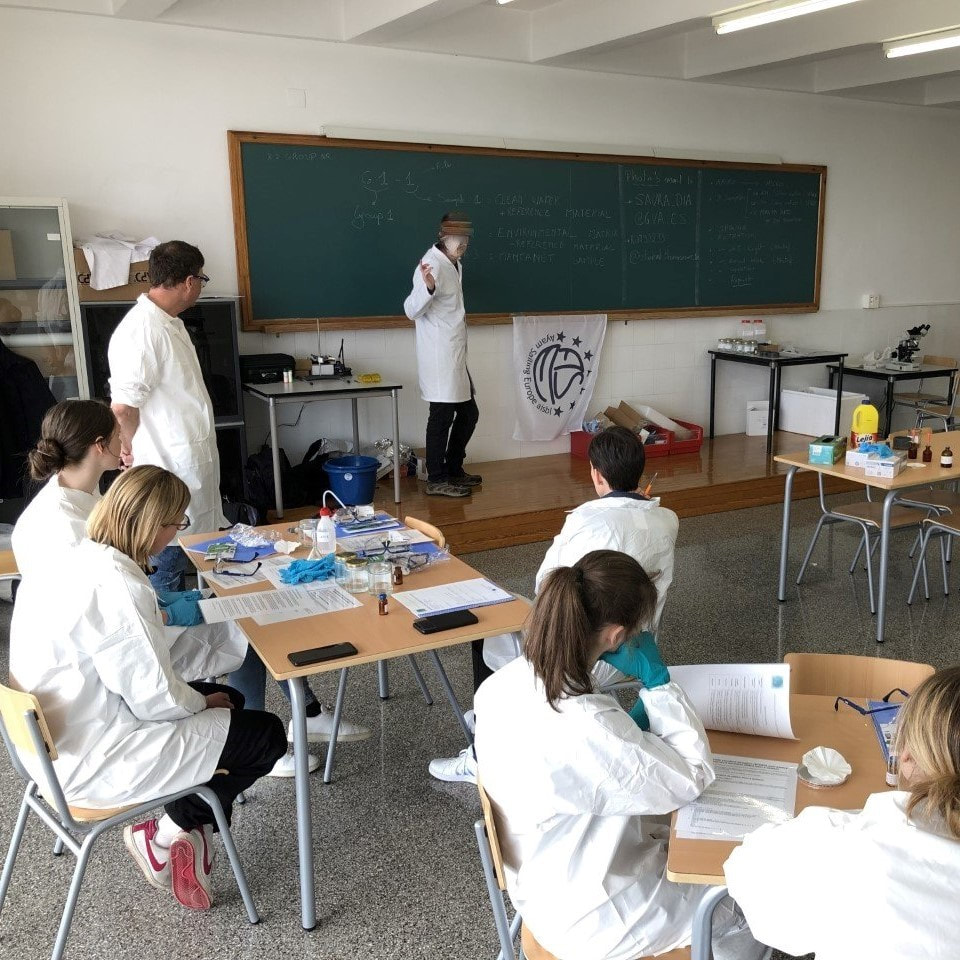
|